Are olives good probiotics?
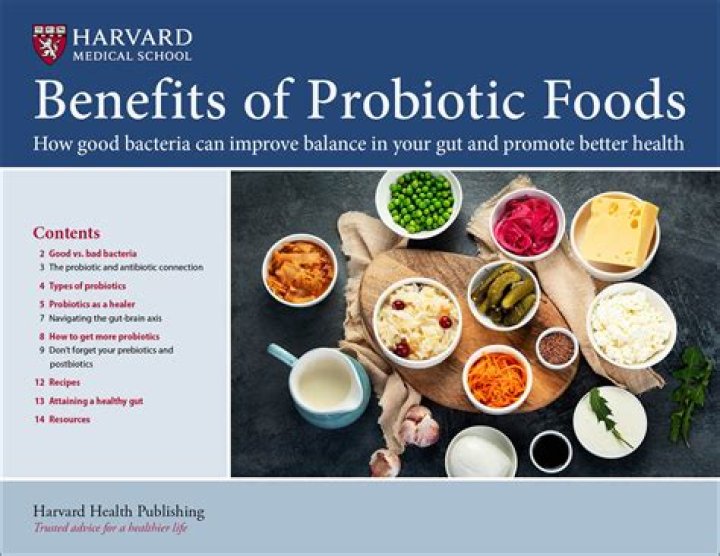
Green olives are a probiotic super food. They are also a fermented food and provide bacteria such as lactobacilli that may have probiotic effects (2). Few studies however have looked at the effects of eating olives on biomarkers of health.Click to see full answer. Consequently, are olives good for gut bacteria?It’s easy to forget that olives are a fermented food, but that also means they’re rich in Lactobacillus, a kind of gut-friendly bacteria. Antonio Bevilacqua, PhD, a microbiologist at the University of Foggia in Italy, says he has isolated some probiotic strains from the fruits and used them in olives and other foods.Additionally, is it bad to eat a lot of olives? Here’s 10 health benefits of eating olives and why you should simply eat more olives every day: Antioxidant Food– Free radicals cause plastic to deteriorate, paint to fade, works of art to degrade. They can also cause age related illnesses and contribute to strokes, cancer and heart attacks. Yikes! In respect to this, are green or black olives healthier? “There are no nutritional differences between green and black olives. Olives are endowed with high amounts of good monounsaturated fat and minerals, such as iron and copper. They’re also rich in vitamin E, polyphenols and flavonoids, which are antioxidants [that] have anti-inflammatory benefits.”Are olives a fermented food?While we may immediately think of cucumber pickles or sauerkraut, just about any vegetable can be fermented. Olives and capers are considered some of the earliest vegetable ferments in the Mediterranean. Olives and capers are cured prior to eating due to their extremely bitter taste.